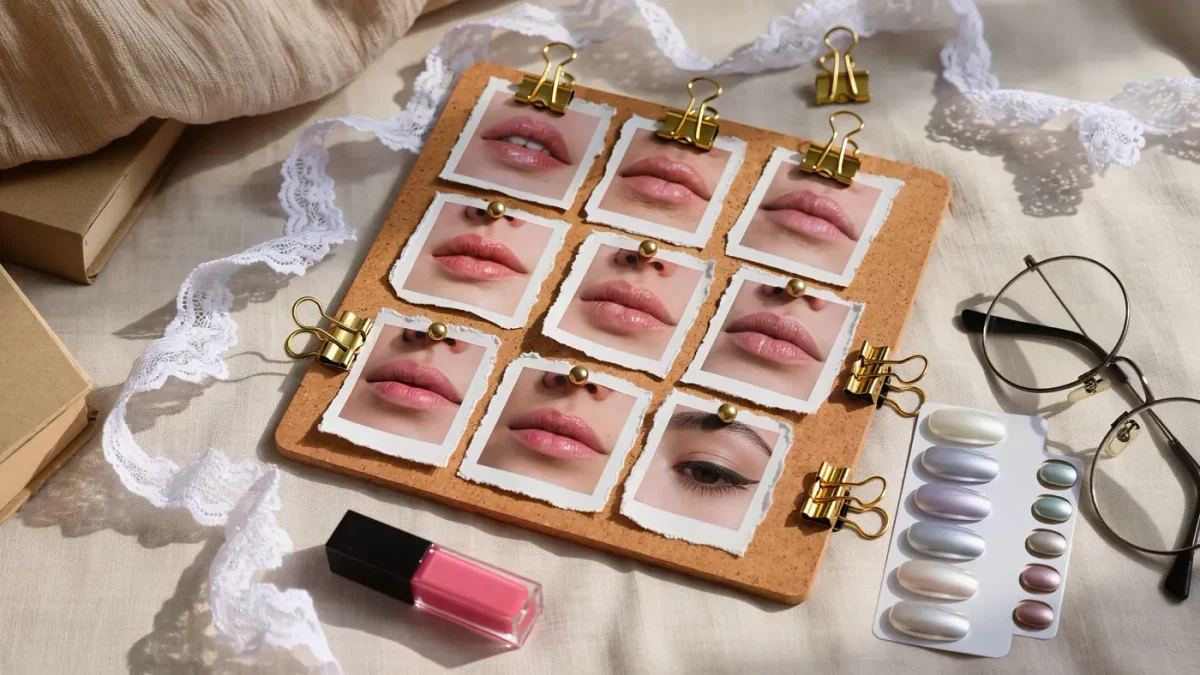
Internet aesthetics have officially outlived the platforms that made them. The test case was the most dramatic possible: in April 2024 the United States signed a law requiring TikTok's Chinese parent company to sell the app or face a ban, the service actually went dark for hours in January 2025 before enforcement was paused by executive order — and through all of it, the aesthetics born on the platform kept circulating untouched. Clean girl, coquette, mob wife, cottagecore: none of them needed the app to survive, because an aesthetic, once built, is portable in a way a platform is not. That asymmetry — fragile apps, durable aesthetics — is now the organizing fact of internet beauty, and it tells you where the culture goes next.
What actually happened to TikTok, briefly?
The documented sequence: on April 24, 2024, President Biden signed legislation requiring ByteDance to divest TikTok's US operations within about a year or the app would face a nationwide ban. The Supreme Court upheld the law, and on January 18–19, 2025 TikTok went offline for American users for several hours before service returned; on January 20, 2025, an executive order paused enforcement. The app's legal status stayed unsettled into 2025 — but the aesthetics never paused at all.
That gap between platform uncertainty and aesthetic continuity is the whole story. During the January 2025 blackout, users migrated for a weekend to other apps, trade-down tutorials circulated, and the trends kept compounding on Instagram, YouTube, Pinterest and wherever the audience reassembled. Nothing in the beauty vocabulary was lost, because vocabulary is the one thing audiences carry with them.
How do aesthetics survive platform deaths?
Because an aesthetic is not an app feature — it is a shared set of references, techniques and names, stored in millions of individual heads and mirrored across every platform simultaneously. Cottagecore predates TikTok: it formed on Tumblr around 2018, migrated to TikTok, and flourished there, but its imagery and values exist just as well on Instagram and Pinterest. Clean girl started as a TikTok label and is now standard retail merchandising language. When the host platform wobbles, the aesthetic relocates like a file — no conversion needed.
The beauty industry accelerated this. Once brands, retailers and salons adopted the vocabulary — glazed, chrome, latte makeup, the rest — the aesthetic acquired infrastructure outside social media entirely. A look named on an app in 2022 is now a shade range at a drugstore counter. Stores cannot be banned; shelves are the ultimate backup drive.
Is this the first time an aesthetic outlived its platform?
No, and the precedents matter. Tumblr's 2018 ban on adult content and its long decline scattered its aesthetics — soft grunge, cottagecore's early growth, whole visual languages — across Twitter, Instagram and Pinterest, where they kept evolving. Vine died in 2017 and its comedic grammar moved bodily into TikTok. Earlier still, the blogspot and LiveJournal beauty communities dissolved, and their routines — the layered skincare logic, the tutorial format — simply re-emerged on YouTube. The pattern is old: platforms are venues, aesthetics are theater troupes. The venue closes; the troupe books another.
What is new is the naming economy. Modern aesthetics arrive with tags, wikis and searchable vocabularies, which makes them more portable than their pre-platform ancestors — a look called "clean girl" can be catalogued, reproduced and merchandised anywhere, instantly. The sharper the name, the better it travels. That is why the last five years of beauty culture invested so heavily in naming things: the name is the asset that survives.
Where does internet beauty go next?
Toward platform-agnosticism as the default posture. The next aesthetic wave is already being seeded across multiple apps simultaneously — TikTok, Instagram Reels, YouTube Shorts, Pinterest — because creators learned in 2024–2025 that a single-platform identity is a legal risk, not just a marketing choice. Expect aesthetics to arrive pre-multiplied: same name, same references, five homes from day one.
Second, toward physical anchors. As feeds fragment, the durable carriers of beauty culture are the things that do not need a feed: the salon service (glazed nails), the product format (the balm, the chrome topcoat), the retail vocabulary. Internet beauty is sinking roots into objects. Third, toward smaller rooms: group chats, Discords, niche communities where aesthetics are incubated at lower volume before surfacing. The mega-platform era normalized one aesthetic at a time for everyone; the post-platform era is already fragmenting attention — and fragmenting attention is where new looks are bred.
Does the app still matter at all?
Enormously — for ignition. TikTok's matching engine remains the fastest known way to take a local look global; no alternative accelerates a niche into a mass aesthetic as efficiently. The lesson of the uncertainty era is not that platforms stopped mattering but that their role narrowed to the beginning of the story: ignition, not habitation. A look may be born on an app, but it now plans its life elsewhere.
For anyone who wears rather than studies the culture, the practical takeaway is liberating: build your beauty vocabulary on things that survive feeds — techniques, products, references — and treat each app as a venue with uncertain leases. The aesthetic outlived the app. Your routine should be built the same way.
FAQ
Did TikTok actually get banned in the US?
It went dark briefly: after the divest-or-ban law signed April 24, 2024 was upheld, TikTok went offline for US users on January 18–19, 2025, then restored service when enforcement was paused by executive order on January 20, 2025. The app operated under legal uncertainty through 2025.
Which aesthetics survived platform shifts?
Most of them. Cottagecore formed on Tumblr around 2018 and thrived after migrating to TikTok; clean girl, coquette and mob wife circulated across Instagram, YouTube and Pinterest independent of any single app. The names — the portable part — kept working everywhere.
What should beauty brands learn from this?
That aesthetics outlive distribution. The durable value sits in vocabulary, products and services — the glazed finish, the named look, the salon request — not in any one platform's audience. Brands that translated feeds into shelves kept the trend when the feed wobbled.
For more context, read why every aesthetic is "core" now.
For more context, read mob wife aesthetic.
For more context, read Frosty makeup and the Y2K cold wave: why shimmer returned.