Beauty
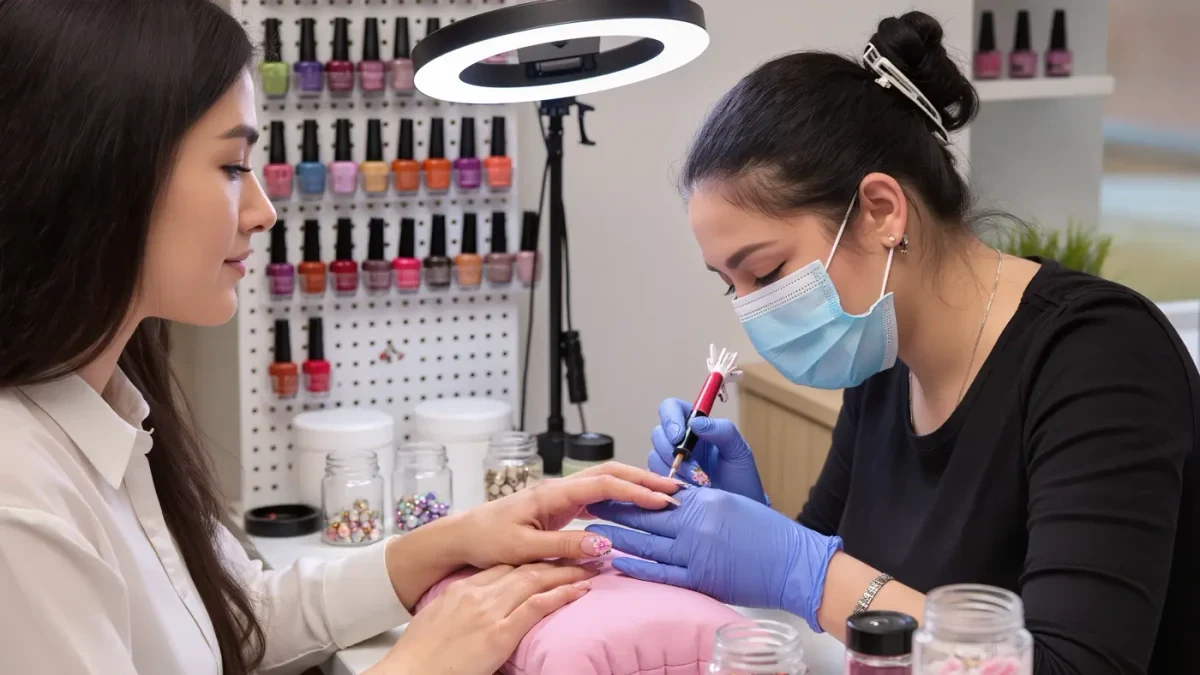
The Nail Art Economy: Inside The Mani Culture
Ten small canvases, a licensed workforce, and a supply chain from press-on kits to $200 custom sets — the manicure became a working economy.
The Beauty section of AND YOU treats cosmetics as a cultural object as much as a product: what a matte or glass finish signals, how a shade range gets decided, and which launches deserve shelf space. Written for readers who want the reasoning behind a face rather than another swatch photograph.
Ten small canvases, a licensed workforce, and a supply chain from press-on kits to $200 custom sets — the manicure became a working economy.

The phrase sold night creams for a century, but the science underneath it — a 2010 BMJ experiment among others — is stranger than the slogan.
Five thousand years of pigment, from Sumerian crushed gemstones to suffragette marches to the swivel tube that put rebellion in a handbag.
Ten-milliliter travel sprays went from airport afterthought to the fastest-moving object in fragrance, and your tote bag is the retail floor.

The curling iron lost its crown to a silk rod and a pair of socks, and the mutiny says more about 2026 than about hair.
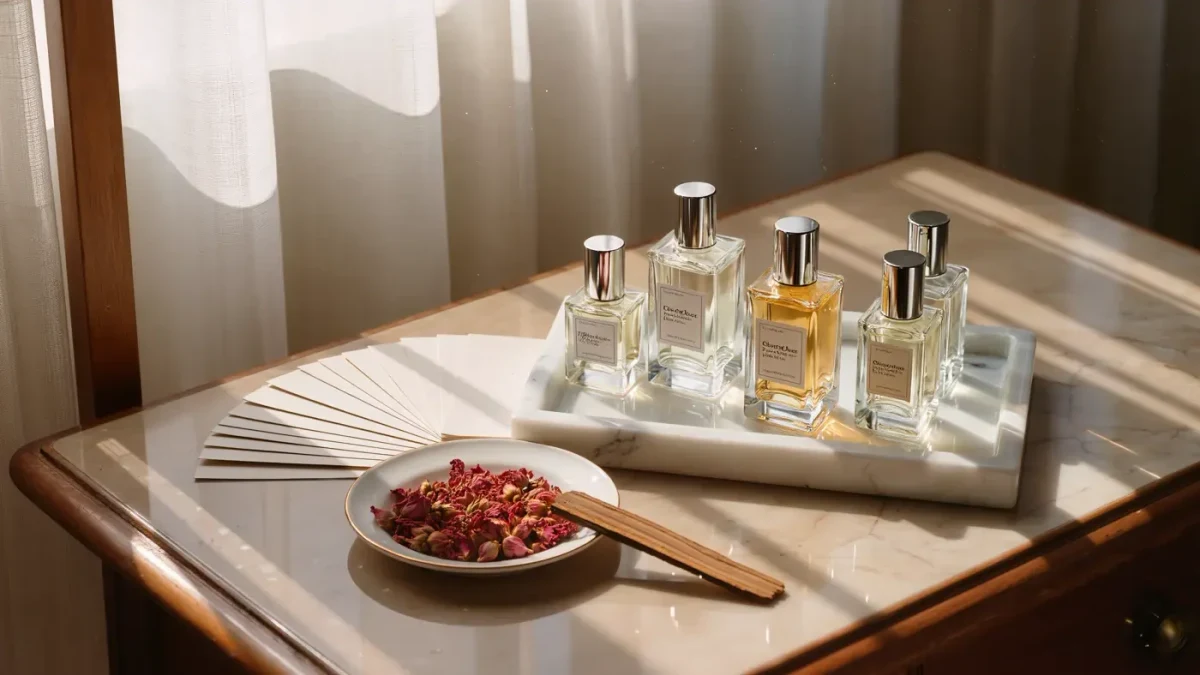
Spraying two scents at once is not chaos; it is a practice with rules that run from the Gulf's oud traditions to Michael Edwards' fragrance wheel.